


“Ecodesign helps reduce dependence on critical raw materials, by favouring the use of recycled materials and resource optimisation.”
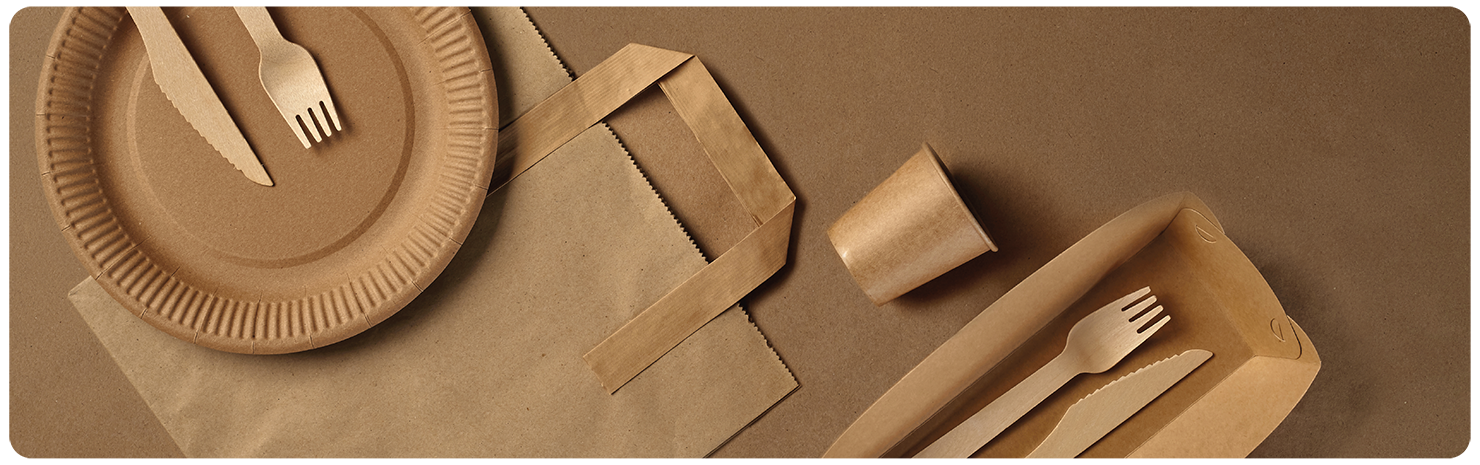
The circular economy begins long before a product becomes waste: it starts the moment it is designed. Ecodesign has therefore become a fundamental tool to reduce the environmental impact throughout the entire product life cycle. Application is important not only in the field of electrical and electronic equipment (EEE), but also in sectors such as packaging, where design has a direct influence on reuse, recycling and recovery.
Incorporate environmental criteria from the conception of a product, taking into account aspects such as durability, repairability, recyclability, reduction of raw materials, ease of disassembly and efficiency in the use of resources. Applying these principles helps prevent waste generation, optimise treatment processes, and facilitate the reincorporation of raw materials into the value chain at the end of the product’s useful life.
A new regulatory and social framework
In the current context, marked by new regulatory requirements and greater social awareness, ecodesign is taking on an increasingly relevant role. The European Union is moving towards a more demanding framework, in which products will have to be more sustainable, more efficient and more compatible with circular economy principles. This evolution affects multiple sectors and forces us to rethink not only how a product is manufactured, but also how it is presented, used and subsequently managed.
In this sense, both electrical and electronic equipment and packaging are part of the same challenge: to design with their entire life cycle in mind.
In the sphere of waste electrical and electronic equipment, the impact of ecodesign is particularly important. Many of the current challenges in recycling, such as the difficulty in separating materials, the presence of hazardous substances or the low recovery rate of certain components, have their origin in decisions made in the design phase. The same applies to packaging: the mixing of materials, excessive accessories or the use of formats that are difficult to handle can hinder proper management and reduce recycling potential. It is therefore essential to act from the outset to improve environmental performance and move towards more efficient systems.
In addition, ecodesign helps to reduce dependence on critical raw materials by promoting the use of recycled materials and the optimisation of resources. This perspective not only brings environmental benefits, but also economic and strategic boons, especially in a context in which the availability of certain materials is becoming increasingly sensitive. Designing better also means making better use of what already exists, reducing losses and generating products and solutions that are better aligned with future needs.
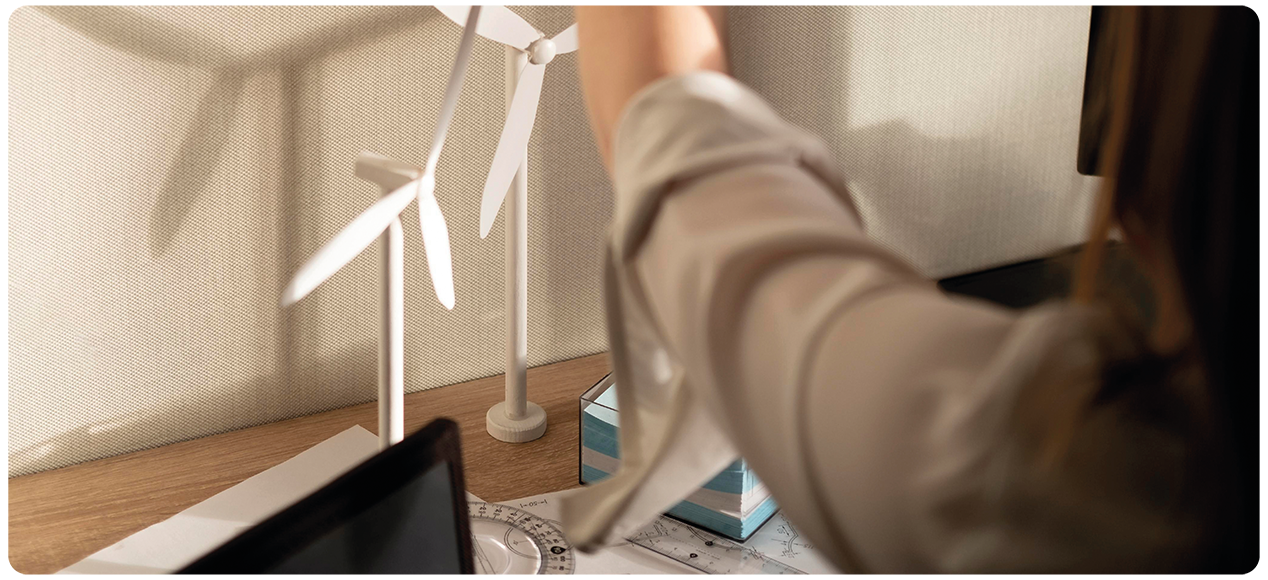
From the perspective of extended producer responsibility, ecodesign reinforces the importance of taking preventive action. It is not only a matter of guaranteeing proper management of waste when it has already been generated, but also of promoting improvements from source to reduce impact and facilitate treatment. This process demands collaboration between producers, collective systems, public authorities and operators, to share knowledge, identify opportunities for improvement and promote more sustainable design criteria.
Ecodesign also favours new, more circular production and consumption models, based on reuse, repair, reduction of materials and waste recovery. This change in approach calls for a broader and more coordinated vision, in which each design decision takes into account its subsequent effects on resource management, recovery and reuse.
Design today to recycle better tomorrow
Ecodesign represents a great opportunity to transform the production and consumption model, aligning it with the principles of the circular economy. Acting at the design stage allows us to anticipate impacts, reduce waste and facilitate more effective management, both in electrical and electronic products and in such important areas as packaging.
At ECOTIC we know what it means to incorporate this vision from source. A commitment to better-designed, more durable products that are easier to manage at the end of their useful life is one essential way to improve system efficiency and make better use of available resources.
Designing with sustainability criteria is not only a responsibility, but also an opportunity to innovate, adapt to new requirements and contribute to a more circular, efficient and environmentally friendly future.